
Oral Surgery
Description
There are several reasons why we may recommend tooth extraction, including:
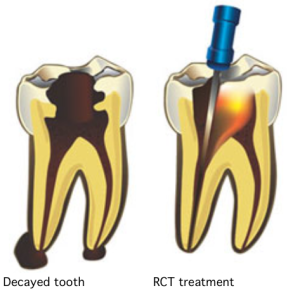
* Severe Tooth Decay
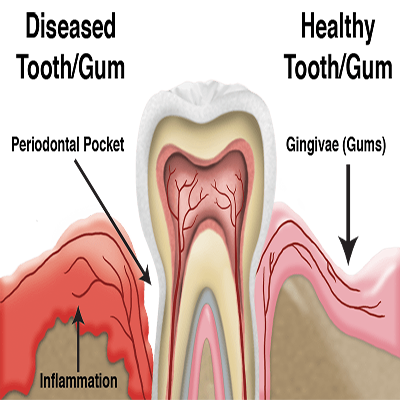
* Advanced Gum Disease
* Chronic Infection
* Fractured Roots
* Toothaches and Abscessed Teeth
* Denture Treatments
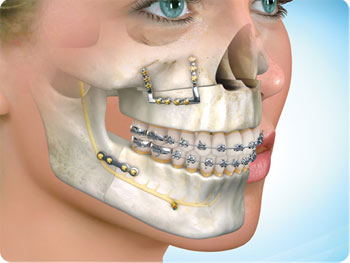
* Orthodontic Therapy
Extracting a tooth isn’t always a good idea, but in some cases, it can be necessary to preserve the oral tissues around it and protect the rest of your teeth. When restorative treatment cannot save the tooth, or has failed and left the tooth more seriously afflicted, tooth extraction might be the most effective option. In most cases, however, the next step should be to replace the tooth, since tooth loss in any form could prove detrimental to your long-term good oral health.
Because leaving the space empty can cause expensive complications later on. Your other teeth will start to drift or shift out of place due to the extra space. This can change the way your teeth bite together, straining your jaws and even causing fillings or crowns to wear out prematurely. That’s why Value Smiles offers affordable tooth replacements like dental bridges and dental implants.
Gum disease in Avedental
If you have been told you have gum (periodontal) disease, you’re not alone. Many adults in the currently have some form of the disease. Periodontal disease range from simple gum inflammation to serious disease that results in tooth extraction or the worst case, tooth are lost. Whether your gum disease is stopped, slowed, or gets worse depends a great deal on how well you care for your teeth and gums every day, from this point forward. Symptoms of gum disease may include:
* Bad breath that won’t go away
* Red or swollen gums
* Tender or bleeding gums
* Painful chewing
* Loose teeth
* Sensitive teeth
* Receding gums or longer appearing teeth
Any of these symptoms may be a sign of a serious problem, which should be checked immediately by a dentist.
Frenectomy Procedure
There are many ways to perform a frenectomy, but they all are fairly straightforward procedure and heal in a relatively short amount of time. The common frenectomy procedure is done with a scalpel or scissors. It is pretty simply when a dentist uses an incision to release the frenum and excise it. The immediate area will be numbed usually with a topical anesthetic, and sometimes in young children laughing gas will be used to relax the patient. Depending on how much of frenum is severed or removed, there may be sutures to re-position the tissue. Usually dissolves sutures will be sufficient.